Electronics Recycling: Why Responsible E-Waste Disposal Matters More Than Ever
Technology changes faster than most of us can keep up with, doesn’t it? One day your office computers seem cutting-edge, and before you know it, they’re collecting dust in a storage room beside tangled cables and outdated servers. It happens everywhere — businesses, schools, government offices, and even homes. The digital world keeps moving, and old electronics get left behind.
But here’s the catch: those forgotten devices don’t simply vanish. Tossing electronics into dumpsters or landfills creates serious environmental and security risks that can stick around for decades. That’s exactly why Electronics Recycling has become such an important topic across industries today.
At PNW Electronics Recycling, responsible e-waste disposal isn’t treated like an afterthought. The company was founded to help businesses and communities throughout the Pacific Northwest safely dispose of electronic equipment while protecting sensitive data and minimizing environmental damage.
Located at 18616 72nd Ave S, Kent, WA 98032, United States, PNW Electronics Recycling provides secure and accessible recycling solutions for discarded computers, laptops, servers, mobile devices, IT infrastructure, and more.
And honestly? There’s never been a more important time to talk about electronic waste.
The Growing Problem of Electronic Waste
Every year, the world generates approximately 40 million tons of electronic waste. Just imagine that for a second. Mountains of discarded technology piling up at an alarming pace — old monitors, obsolete servers, cracked smartphones, dead printers, networking equipment, and countless accessories.
It’s easy to forget how quickly electronics become outdated. Businesses upgrade systems for performance reasons. Employees replace laptops. Data centers modernize infrastructure. Consumers chase newer gadgets. Before long, older devices become yesterday’s news.
Unfortunately, electronic waste contains far more than plastic and metal.
Many devices contain hazardous materials such as lead, mercury, cadmium, and brominated flame retardants. If dumped improperly, those substances can leak into soil and water supplies, creating long-term environmental contamination.
Yikes, right?
That’s why responsible recycling solutions matter so much in today’s technology-driven world.
What Is Electronics Recycling?
Simply put, Electronics Recycling refers to the collection, dismantling, processing, and responsible disposal of unwanted electronic devices and IT equipment.
Instead of allowing electronics to end up in landfills, professional recyclers recover valuable materials, safely manage hazardous substances, and ensure secure destruction of sensitive data.
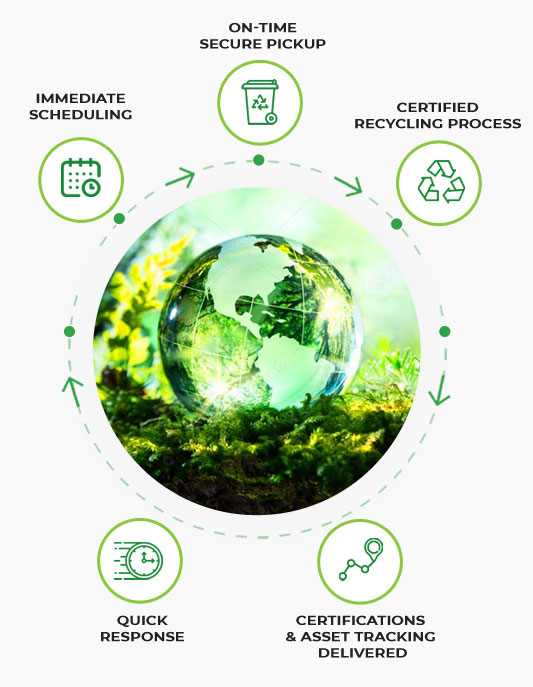
The process typically includes:
- Collection and transportation
- Secure handling of devices
- Data destruction
- Equipment sorting
- Material recovery
- Component refurbishment
- Safe disposal of non-recyclable materials
Some devices can even be refurbished and reused, reducing unnecessary manufacturing demand while extending product life cycles.
Why Electronics Recycling Is More Important Than Ever
Technology Keeps Evolving
Let’s be real — modern technology becomes outdated incredibly fast.
A business might replace hundreds of laptops every few years. Data centers routinely upgrade servers and networking systems. Employees rotate through smartphones and tablets at record speed.
Without proper disposal systems, all that obsolete equipment creates an enormous waste problem.
Environmental Concerns Continue Growing
People are more environmentally conscious today than ever before. Businesses face increasing pressure from customers, stakeholders, and regulators to reduce waste and adopt sustainable practices.
Improper disposal of electronics contributes to pollution, resource depletion, and hazardous waste contamination.
Responsible Electronics Recycling helps reduce those risks while supporting environmental sustainability goals.
Data Security Risks Are Everywhere
Here’s something many businesses underestimate: deleting files doesn’t always erase data completely.
Old hard drives, servers, laptops, and storage devices may still contain confidential business information, financial records, customer data, login credentials, and intellectual property.
If improperly discarded, those devices could expose organizations to serious data breaches.
That’s why secure data destruction services are absolutely critical during the recycling process.
The Environmental Impact of Improper E-Waste Disposal
Throwing electronics into the trash might seem harmless at first glance, but the long-term consequences can be devastating.
Soil Contamination
When electronics break down inside landfills, toxic substances can seep into surrounding soil. Heavy metals and hazardous chemicals slowly contaminate the environment over time.
Once pollution enters the soil, nearby ecosystems may suffer for years.
Water Pollution
Improper disposal can also affect groundwater and nearby water systems.
Hazardous runoff from electronic waste may contaminate rivers, lakes, and underground water supplies, creating risks for both wildlife and human communities.
Air Pollution
In some cases, improperly handled electronics are burned to recover metals. Unfortunately, this releases toxic fumes and harmful pollutants into the atmosphere.
Not exactly the kind of legacy anyone wants to leave behind.
Why Businesses Need a Reliable Recycling Partner
Managing outdated IT equipment internally can become overwhelming pretty quickly.
Storage rooms fill up. Security concerns increase. Tracking old assets becomes difficult. And somewhere along the line, nobody really knows what should happen next.
That’s where experienced recycling providers make a huge difference.
Secure Collection and Transportation
Professional recycling companies ensure electronic equipment is collected, transported, and processed safely.
Whether businesses need to dispose of computers, networking hardware, servers, or mobile devices, proper handling reduces security and environmental risks.
Responsible Material Recovery
Electronics contain valuable recoverable materials such as:
- Copper
- Aluminum
- Gold
- Silver
- Rare earth metals
Rather than wasting those materials in landfills, recycling facilities recover and reintroduce them into manufacturing supply chains.
Pretty smart use of resources, wouldn’t you say?
Compliance and Sustainability Support
Environmental regulations surrounding electronic waste continue becoming stricter across industries.
Working with a professional recycling provider helps businesses maintain compliance while supporting sustainability initiatives and corporate responsibility goals.
How PNW Electronics Recycling Helps Businesses and Communities
PNW Electronics Recycling was founded with a straightforward mission: make secure and environmentally responsible e-waste disposal simple and accessible.
That sounds easy enough on paper, but delivering reliable recycling solutions requires expertise, organization, and strong environmental practices.
The company helps organizations throughout the Pacific Northwest responsibly manage obsolete electronics while protecting sensitive information and minimizing environmental impact.
Business IT Asset Disposal
Businesses often accumulate large quantities of aging technology over time. Replacing office computers, servers, storage devices, and telecommunications systems creates an ongoing disposal challenge.
PNW Electronics Recycling helps organizations safely process retired equipment without unnecessary hassle.
Community Recycling Support
Communities also benefit from accessible recycling programs that encourage responsible disposal habits.
Instead of sending unwanted electronics to landfills, residents and organizations gain safer alternatives for e-waste management.
Environmental Responsibility
At its core, responsible recycling is about protecting the environment for future generations.
By reducing landfill waste and recovering reusable materials, recycling programs contribute to long-term sustainability efforts across the region.
The Hidden Value Inside Old Electronics
Believe it or not, discarded electronics still hold surprising value.
Inside outdated devices are metals and materials that can often be reused in manufacturing processes. Recovering those materials reduces demand for mining operations and conserves natural resources.
That’s one reason Electronics Recycling plays such an important role in the growing circular economy movement.
Instead of constantly extracting new raw materials, recycling helps extend the usefulness of existing resources.
Less waste. Less pollution. More sustainability.
Makes sense, doesn’t it?
Common Electronics That Should Always Be Recycled
Some people assume only large devices require professional recycling. In reality, many everyday electronics should never be tossed into standard trash bins.
Examples include:
- Desktop computers
- Laptops
- Servers
- Hard drives
- Monitors
- Printers
- Mobile phones
- Networking equipment
- Routers and switches
- Telecommunications systems
- Backup batteries
- Cables and accessories
Even small devices may contain hazardous materials or sensitive data that require responsible handling.
The Human Side of E-Waste
Sometimes conversations about sustainability focus so heavily on numbers and statistics that people forget the human impact behind the issue.
Improper electronic disposal affects real communities around the world.
In certain regions, unsafe recycling practices expose workers to toxic chemicals through dismantling operations and open-air burning methods.
Children and nearby residents may also suffer long-term health effects caused by environmental contamination.
Responsible recycling providers help support safer, ethical processing standards while reducing those harmful risks.
At the end of the day, Electronics Recycling isn’t just about devices. It’s about people too.
How Businesses Can Build a Smarter E-Waste Strategy
Conduct Regular IT Audits
Businesses should routinely review aging equipment and identify devices ready for retirement.
Keeping organized asset inventories helps reduce clutter while improving disposal planning.
Schedule Ongoing Recycling Programs
Waiting until old electronics pile up creates unnecessary headaches.
Scheduled recycling initiatives help businesses stay organized while reducing storage and security risks.
Choose Trusted Recycling Professionals
Not all recycling providers follow the same standards.
Organizations should work with companies that prioritize environmental responsibility, secure data destruction, and ethical material processing practices.
The Future of Electronics Recycling
Technology isn’t slowing down anytime soon. If anything, device turnover rates are accelerating.
Artificial intelligence, cloud computing, smart devices, automation, and digital transformation continue driving rapid growth in electronic consumption worldwide.
That means electronic waste volumes will likely continue increasing in the years ahead.
Forward-thinking businesses recognize that sustainable disposal practices are no longer optional. They’re becoming a necessary part of responsible operations.
Organizations that prioritize recycling today position themselves as environmentally conscious leaders for tomorrow.
Why Local Recycling Solutions Matter
Partnering with local recycling providers offers several advantages businesses often overlook.
Local companies better understand regional regulations, environmental expectations, and community sustainability goals.
They also provide more personalized support and faster response times compared to distant national providers.
For businesses throughout the Pacific Northwest, working with PNW Electronics Recycling means partnering with a company that understands local environmental needs and business challenges firsthand.
Final Thoughts on Electronics Recycling
Technology has transformed how businesses operate, communicate, and grow. But as innovation accelerates, so does the responsibility to manage outdated electronics responsibly.
Discarded devices don’t simply disappear once they leave the office. Without proper disposal, electronic waste can create lasting environmental damage and serious security risks.
That’s why responsible Electronics Recycling matters now more than ever.
From protecting sensitive business data to reducing landfill waste and recovering valuable resources, proper recycling supports both environmental sustainability and operational responsibility.
Businesses and communities across the Pacific Northwest can rely on PNW Electronics Recycling for secure, accessible, and environmentally conscious e-waste disposal solutions.
Ready to Protect Your Business and the Environment?
Don’t let outdated electronics become tomorrow’s environmental problem. Take the smart step toward secure and sustainable e-waste disposal today.
Contact PNW Electronics Recycling at 18616 72nd Ave S, Kent, WA 98032, United States, and discover how responsible recycling solutions can help protect your data, your business, and the planet.
Visit https://pnwelectronicsrecycling.com/ now and start building a cleaner, safer future through professional Electronics Recycling services.